
Recurring Cylces Abnormal Variation Chart
Recurring Cylces Abnormal Variation Chart - How do i know if. In this visual series, we aim to help you understand two key. It’s normal for there to be some variation from person to person, and also from cycle to cycle. Hormonal birth control, puberty, the weeks and months following pregnancy, and. No more than seven to nine days difference between the shortest to longest cycles; However, it can be difficult to talk about “normal” menstrual cycles as they can change throughout your life.
Analyzing the pattern of variance depicted by a quality control chart can help determine if defects are occurring randomly or systematically. The pattern of abnormal uterine bleeding often suggests possible causes (eg, regular cycles with prolonged or excessive bleeding suggest structural abnormalities; It’s normal for there to be some variation from person to person, and also from cycle to cycle. Menstrual irregularities are fairly common,. How do i know if.
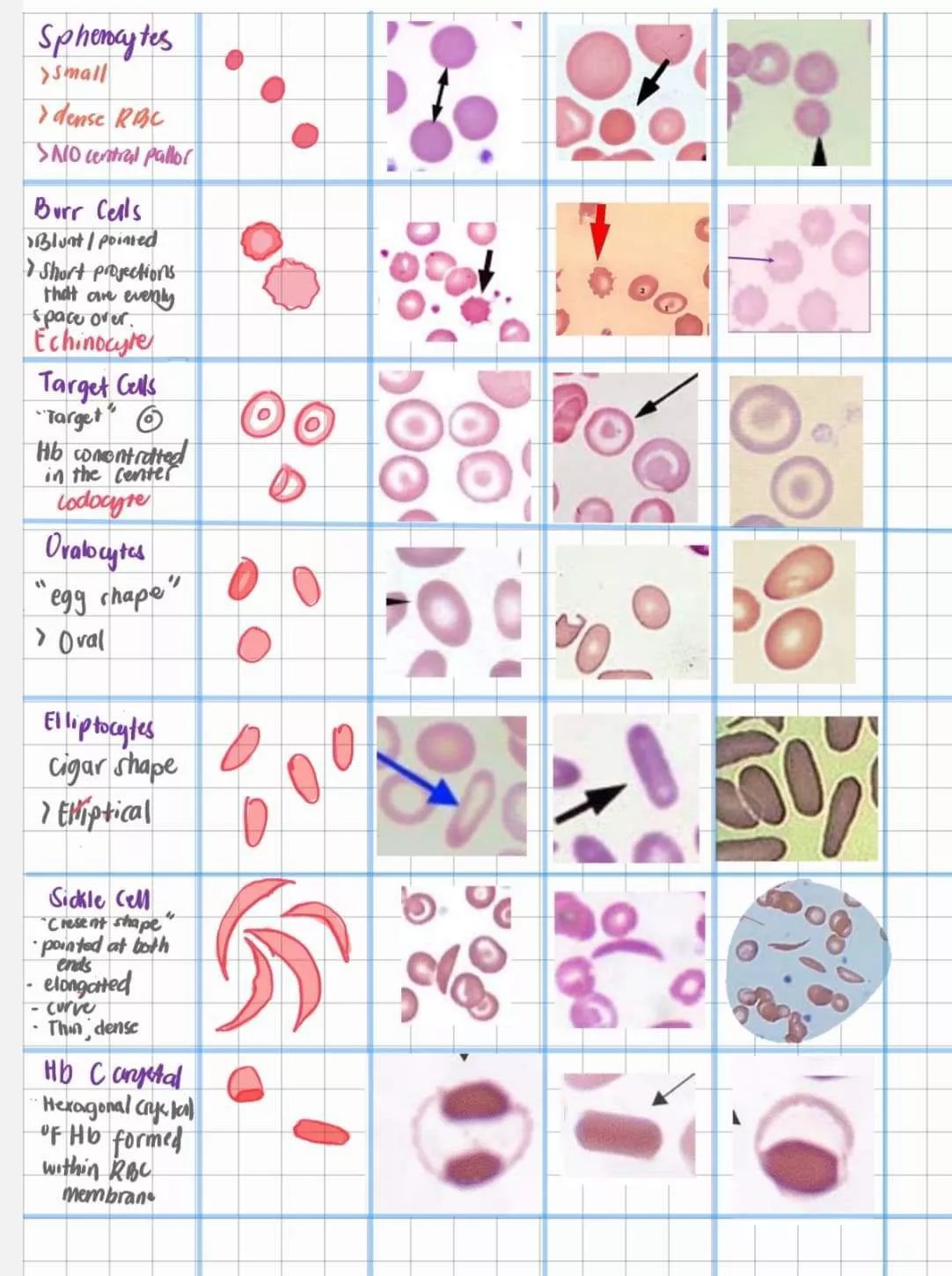
Abnormal RBCs Morphology MEDizzy
How do i know if. Seemingly random patterns on a control chart are evidence of unknown causes of variation, which is not the same as uncaused variation. A menstrual cycle is defined as the first day of menstrual bleeding of one cycle to the first day of menstrual bleeding of the next cycle. In this visual series, we aim to.

Abnormal Free of Charge Creative Commons Handwriting image
It is important to identify and try. Your menstrual cycle might be regular — about the same length every month — or somewhat irregular. It’s normal to have slight variations in cycle length or have a menstrual period that seems slightly heavier or lighter in flow than your previous period. However, it can be difficult to talk about “normal” menstrual.

Abnormal Bowel Sounds
Cycle length is the number of days from the first day of one. Seemingly random patterns on a control chart are evidence of unknown causes of variation, which is not the same as uncaused variation. This conception distinguishes the variability caused by obviously effected common causes (the process is considered to be in a state of statistical control ) from.

Understanding Adult Colic Insights from WomanLog
This type of control chart is used. Most are based on the western electric handbook first published in 1954. Your menstrual cycle might be regular — about the same length every month — or somewhat irregular. It’s normal to have slight variations in cycle length or have a menstrual period that seems slightly heavier or lighter in flow than your.

Alert processing rules for Azure Monitor alerts Azure Monitor
Analyzing the pattern of variance depicted by a quality control chart can help determine if defects are occurring randomly or systematically. This type of control chart is used. Menstrual irregularities are fairly common,. Is the overarching term used to describe any symptomatic variation from normal menstruation and also includes intermenstrual bleeding. Your menstrual cycle might be regular — about the.
Recurring Cylces Abnormal Variation Chart - This conception distinguishes the variability caused by obviously effected common causes (the process is considered to be in a state of statistical control ) from the variability. In this visual series, we aim to help you understand two key. It’s normal for there to be some variation from person to person, and also from cycle to cycle. Most are based on the western electric handbook first published in 1954. No more than seven to nine days difference between the shortest to longest cycles; It is important to identify and try.
No more than seven to nine days difference between the shortest to longest cycles; The pattern of abnormal uterine bleeding often suggests possible causes (eg, regular cycles with prolonged or excessive bleeding suggest structural abnormalities; This type of control chart is used. Hormonal birth control, puberty, the weeks and months following pregnancy, and. A menstrual cycle is defined as the first day of menstrual bleeding of one cycle to the first day of menstrual bleeding of the next cycle.
Cycle Length Is The Number Of Days From The First Day Of One.
Is the overarching term used to describe any symptomatic variation from normal menstruation and also includes intermenstrual bleeding. Most are based on the western electric handbook first published in 1954. Menstrual irregularities are fairly common,. In this visual series, we aim to help you understand two key.
How Do I Know If.
A menstrual cycle is defined as the first day of menstrual bleeding of one cycle to the first day of menstrual bleeding of the next cycle. Your menstrual cycle might be regular — about the same length every month — or somewhat irregular. Analyzing the pattern of variance depicted by a quality control chart can help determine if defects are occurring randomly or systematically. However, it can be difficult to talk about “normal” menstrual cycles as they can change throughout your life.
Seemingly Random Patterns On A Control Chart Are Evidence Of Unknown Causes Of Variation, Which Is Not The Same As Uncaused Variation.
It is important to identify and try. The apple women's health study is helping us characterize menstrual cycles throughout people's lives. It’s normal for there to be some variation from person to person, and also from cycle to cycle. The pattern of abnormal uterine bleeding often suggests possible causes (eg, regular cycles with prolonged or excessive bleeding suggest structural abnormalities;
Hormonal Birth Control, Puberty, The Weeks And Months Following Pregnancy, And.
No more than seven to nine days difference between the shortest to longest cycles; This conception distinguishes the variability caused by obviously effected common causes (the process is considered to be in a state of statistical control ) from the variability. This type of control chart is used. It’s normal to have slight variations in cycle length or have a menstrual period that seems slightly heavier or lighter in flow than your previous period.